For decades, parents of children with dyslexia have heard the same frustrating advice: wait and see, read more at home, try harder. But research on the science of reading points to something far more effective and specific: structured literacy instruction, and in particular the Orton-Gillingham approach. This article explains what structured literacy actually is, why it works for struggling readers, and how you can recognize (or replicate at home) a truly evidence-based program.
What Is Structured Literacy?
Structured literacy is not a single program but a set of instructional principles endorsed by the International Dyslexia Association and grounded in decades of reading research. Unlike balanced literacy approaches that rely heavily on context clues and guessing strategies, structured literacy teaches reading as a decodable skill built from the ground up.
Its core features include:
- Explicit instruction – nothing is left for the child to infer; sound-letter relationships are directly taught.
- Systematic and cumulative sequencing – skills are introduced in a logical order, from simple to complex, with constant review.
- Multisensory teaching – children see, hear, say, and physically write letters and sounds simultaneously.
- Diagnostic and responsive teaching – instructors continuously assess progress and adjust pacing accordingly.
This approach directly targets the phonological processing weaknesses that are the hallmark of dyslexia, making it fundamentally different from generic reading practice.
The Orton-Gillingham Method Explained
Orton-Gillingham (often abbreviated OG) is the original structured literacy approach, developed nearly a century ago by neurologist Samuel Orton and educator Anna Gillingham. It remains the gold standard against which many modern programs (like Wilson Reading System, Barton, or Take Flight) are measured.
Key Principles of Orton-Gillingham
OG instruction is language-based, multisensory, structured, sequential, cumulative, cognitive, and flexible. Rather than following a rigid script, a trained OG tutor adapts pacing and review based on how a specific child is responding, which is why it's often described as a diagnostic teaching approach rather than a fixed curriculum.
What a Typical OG Lesson Looks Like
A typical 45-60 minute session usually includes:
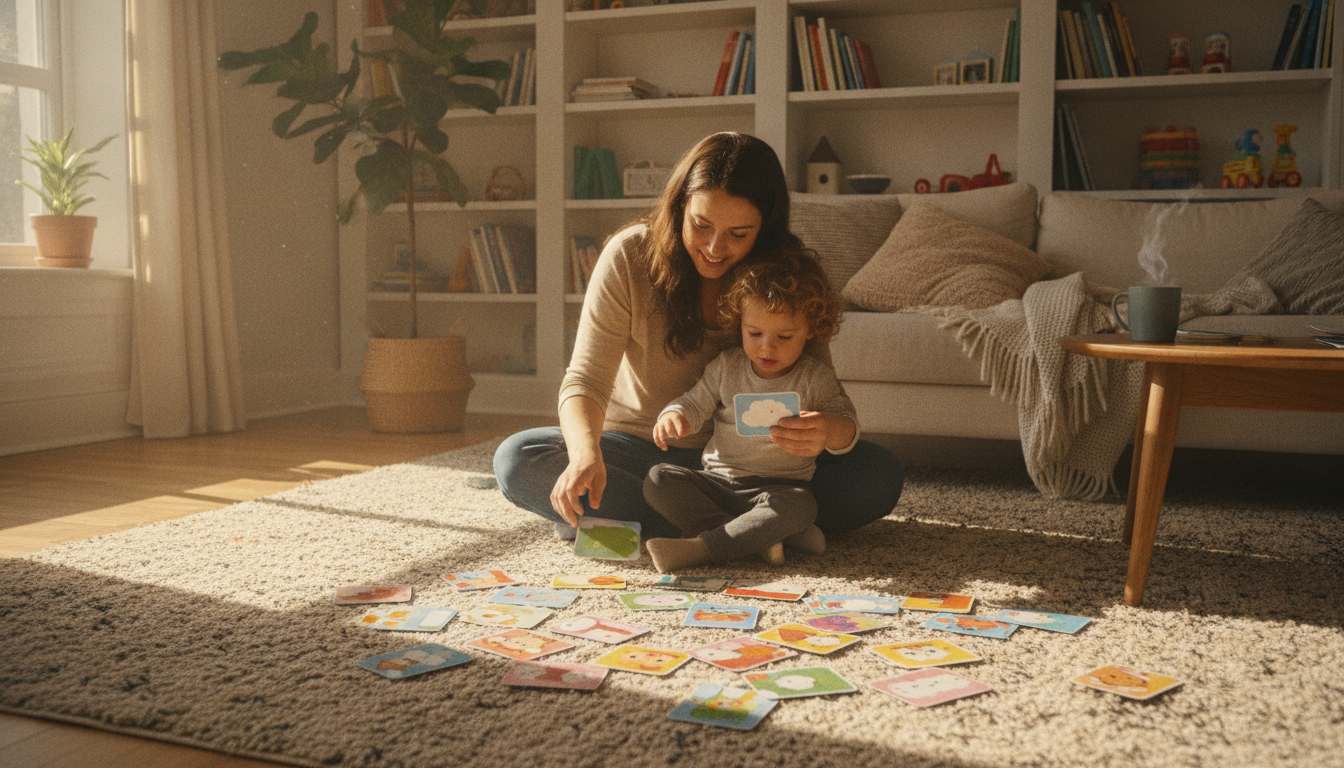
- Review of previously learned sounds and words using flashcards or letter tiles.
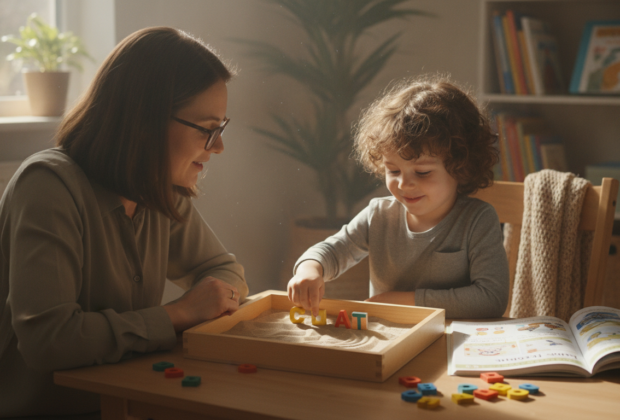
- Introduction of a new phonics concept, such as a vowel team or syllable division rule, taught explicitly with a memorable multisensory cue (tracing letters in sand, tapping out sounds, using arm movements).
- Blending practice, where children build and decode words using the new pattern.
- Dictation, where the child encodes (spells) words and sentences using the sounds practiced.
- Connected reading of decodable text that reinforces the specific skills taught that day.
This repetitive, layered structure helps rewire how a child's brain processes written language, building automaticity over time.
What Does the Research Say?
Multiple studies, including neuroimaging research, show that structured, explicit phonics instruction changes brain activation patterns in children with dyslexia, shifting activity toward the neural pathways used by typical readers. Systematic reviews consistently find that structured literacy approaches produce stronger gains in decoding, fluency, and spelling compared to less explicit methods.
Importantly, research also emphasizes intensity and consistency: short, infrequent sessions rarely produce meaningful gains. Most children with dyslexia need multiple sessions per week over a sustained period (often a year or more) to make significant progress. For a broader overview of what the evidence says about supporting children with dyslexia, see our Evidence-Based Strategies to Support Children with Dyslexia: A Complete Guide.
How to Evaluate a Tutor or Program
Not every program labeled "multisensory" or "phonics-based" is truly structured literacy. Here are questions to ask before enrolling your child:
- Is the tutor certified? Look for credentials from a recognized OG training body (such as the Academy of Orton-Gillingham Practitioners and Educators) or IDA accreditation.
- Is instruction one-on-one or small group? Individualized pacing is critical for children with more severe dyslexia.
- Does the program include diagnostic assessment? Evidence-based tutors regularly assess and adjust, rather than following a fixed pace regardless of progress.
- Is progress tracked and shared with parents? You should see measurable data, not just anecdotal impressions.
- Is there a decodable reading component? Children should be reading texts that match the phonics patterns being taught, not guessing from pictures or context.
If a program can't clearly explain its scope and sequence or how it individualizes instruction, it's worth asking more questions before committing your family's time and resources.
Reinforcing Structured Literacy at Home
Parents play a crucial role between formal tutoring sessions. Simple, evidence-aligned activities can meaningfully reinforce what's being taught:
- Practice phonemic awareness through quick games—clapping syllables, identifying beginning/ending sounds, or rhyming during car rides.
- Review decodable readers assigned by the tutor rather than jumping to leveled books that encourage guessing.
- Use multisensory review, such as writing spelling words in shaving cream, sand, or with textured letter tiles.
- Keep sessions short and positive—10 minutes of focused practice is more effective than a long, frustrating session.
- Communicate with the tutor about which specific sounds or rules are being targeted so home practice stays aligned.
Combining consistent structured literacy tutoring with supportive classroom accommodations can make a significant difference in a child's confidence and reading trajectory. To learn how to support your child in the classroom setting as well, check out our guide on Assistive Technology and Classroom Accommodations for Children with Dyslexia.
Final Thoughts
Structured literacy, and the Orton-Gillingham approach in particular, offers one of the most well-researched, effective paths forward for children with dyslexia. It won't produce overnight results, but with consistency, the right instructor, and reinforcement at home, it can fundamentally change how a struggling reader experiences written language—turning frustration into genuine, growing confidence.